Our Services
Maintenance Programs
Maintenance Programs
Maintenance Programs
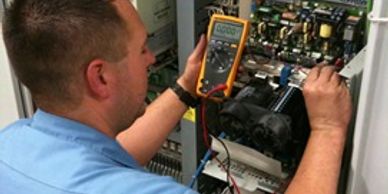
True preventative maintenance is the best way to maximize the return on your elevator investment. Many people rely on a building's vertical transportation system daily. The safe & reliable operation of the equipment is of paramount importance to the owners, the management company, & ultimately the tenants & visitors who travel throughout these buildings daily.
We offer quality preventative maintenance programs that will: reduce down time & complaints, cut repair costs, extend service life, improve safety & reliability, save money.
Modernizations
Maintenance Programs
Maintenance Programs
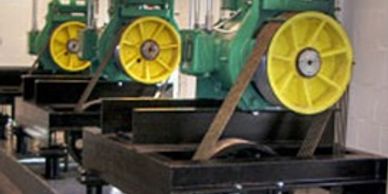
Elevator modernizations can ensure proper mechanical & up to code operation that is essential for safe & reliable operation of your equipment. Our experienced technicians will assess & perform elevator modernizations on geared, gearless, & hydraulic elevators. We only install the best none-proprietary equipment that will deliver better energy efficiency, performance & reliability.
Construction
Maintenance Programs
Construction
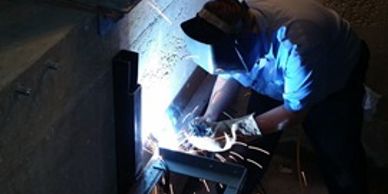
Vertical Solutions Elevator Company is highly experienced in working with architect, builders & business owners to install new state of the art elevators. We recognize that every building & each new elevator installation is unique. New construction elevators require forethought & a professional approach. Therefore, we tailor the design & equipment directly to the needs & specifications of the project. In doing so our vast experience in maintenance allows us make recommendation to ensure that the equipment installed is right for the application & will stand the test of time.
Inspections
Inspections
Construction
Reliable elevator inspection services can be hard to find, unless you already know about Vertical Solutions Elevator Co. We only utilize licensed inspectors who are ready to give our equipment a full, in-depth evaluation. Our inspectors know the elevator code requirements & will let you know what needs to be done to be code compliant!
Repairs
Inspections
Repairs
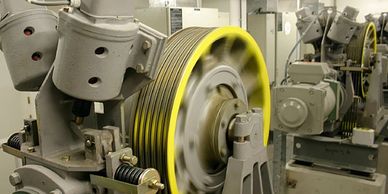
Proper elevator repair is not only reactive but is proactive as well, addressing current issues while considering & preparing for future problems. All elevators consist of multiple parts that are susceptible to wear & tear over time. Our technicians carry multiple parts to ensure your issues are corrected quickly & efficiently
About Us

Grab interest
Generate excitement
Generate excitement
Vertical Solutions Elevator Company was established in 2006 & has over 20 years’ experience in the industry
Generate excitement
Generate excitement
Generate excitement
Vertical Solutions Elevator Company services all types of elevator equipment
Commercial & Residential
Close the deal
Generate excitement
Close the deal
Vertical Solutions Elevator Company wants you to have peace of mind!
Moving Our Clients to a higher level
We provide elevator installation, modernization, repair, & maintenance solutions for building owners, property managers, architects, contractors, builders, & consultants throughout North Texas. Over the years we have offered innovative & leading-edge solutions while remaining committed to our traditional values. We have grown to be one of the largest & most respected owner operated independent elevator company in North Texas while delivering service the way it used to be! When you choose Vertical Solutions Elevator Company you can be certain that your buildings elevator integrity will be enhanced with superior quality